

There is a pattern I keep seeing inside organizations that initially looks like a strength.
There is one person who knows how everything works.
They know the history behind the decisions. They know which process is outdated and which workaround actually works. They know who to call when something gets stuck. They remember the details no one wrote down.
When something falls through the cracks, they catch it.
When someone leaves, they absorb the work.
When a leader needs something urgently, they figure it out.
Everyone trusts them.
And that is exactly where the risk begins.
What I am seeing
Because over time, the organization stops noticing how much of its stability depends on one person's ability to compensate for everything the system hasn't solved.
"High performers have an incredible ability to make broken systems look functional."
What leaders often misdiagnose
When these employees become overwhelmed, frustrated, resistant to taking on more, or eventually decide to leave, leaders often see an individual capacity problem.
They need to delegate more.
They need better time management.
They need to communicate when they are overloaded.
Sometimes those things are true.
But I think we ask the wrong question when we focus only on the individual.
Instead of asking, "Why can't this person keep up?"
I want leaders to ask:
"Why does the organization require this person to keep up with so much in the first place?"
High performers have an incredible ability to make broken systems look functional.
Their competence becomes a workaround.
And because the work keeps getting done, the organization never experiences enough friction to fix the underlying problem.
What is actually happening in the human system
Reliable people become magnets for uncertainty.
When ownership isn't clear, the work finds them.
When another employee doesn't know what to do, they ask them.
When a process fails, they know the workaround.
When leadership needs something handled quickly, they are the safest choice.
Every one of those decisions makes sense individually.
Collectively, they create dependency.
And there is another human dynamic at work here.
Many highly capable people derive part of their professional identity from being the person others can count on. They may continue saying yes long after the workload becomes unreasonable.
Organizations often reinforce that behavior with praise.
"I don't know what we'd do without you."
It sounds like appreciation.
Sometimes it's actually a warning.
Because if the organization genuinely doesn't know what it would do without one person, it has created a structural vulnerability.
What we are doing differently
When we see this pattern in client organizations, we're not just looking at the person's workload.
We're looking at the system surrounding the workload.
What decisions are flowing through this person that shouldn't be?
What knowledge exists only in their head?
Where is ownership unclear?
Which processes depend on institutional memory rather than documented practice?
Where are leaders stepping in and rescuing instead of building capability in others?
What work could be redistributed, automated, simplified, or stopped altogether?
And where does someone else need the opportunity to learn, even if they won't initially do it as quickly or as well?
This last piece matters.
Building organizational capability sometimes requires allowing short-term inefficiency.
If your strongest person can complete something in 20 minutes and someone else needs an hour, giving it back to the strongest person feels efficient.
But you've optimized today's task at the expense of tomorrow's capability.
Do that repeatedly and eventually you've built an organization that cannot function without its heroes.
"Your best people should be multiplying the capability around them, not quietly holding the organization together."
The question I would ask leaders
Think about the person on your team everyone describes as indispensable.
Then ask:
What would stop working if that person disappeared tomorrow?
Not because they did anything wrong.
They got promoted. Took another opportunity. Had a family emergency. Went on a month-long vacation.
What decisions would stall?
What information would disappear?
What relationships would be difficult to navigate?
What processes would no one fully understand?
Those answers aren't a critique of your most reliable employee.
They're a map of your organizational risk.
Your best people should be multiplying the capability around them, not quietly holding the organization together.
And one of the most important things we can do for high performers is stop making their extraordinary effort the operating model.
Want to keep the conversation going?
Connect with Bridgette on LinkedIn and share what this sparked for you.
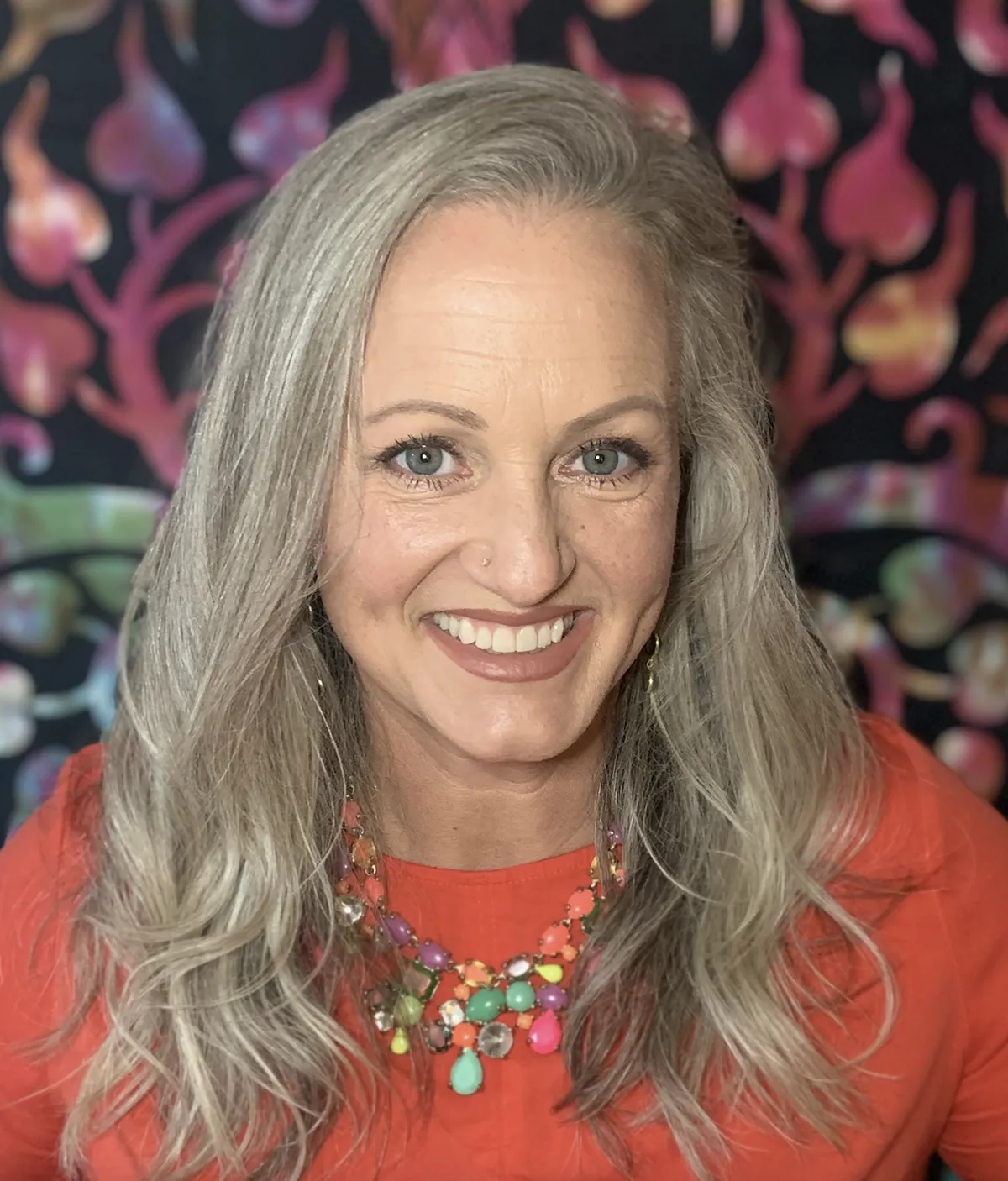
Bridgette Corridan
Co-Founder & Chief Client Officer, Hive Enterprises
Bridgette leads client strategy, talent architecture, and human performance at Hive Enterprises. She partners with executive teams navigating growth, change, and sustained pressure, with a focus on trust centered relationships, leadership capacity, and the human layer of enterprise decision making.